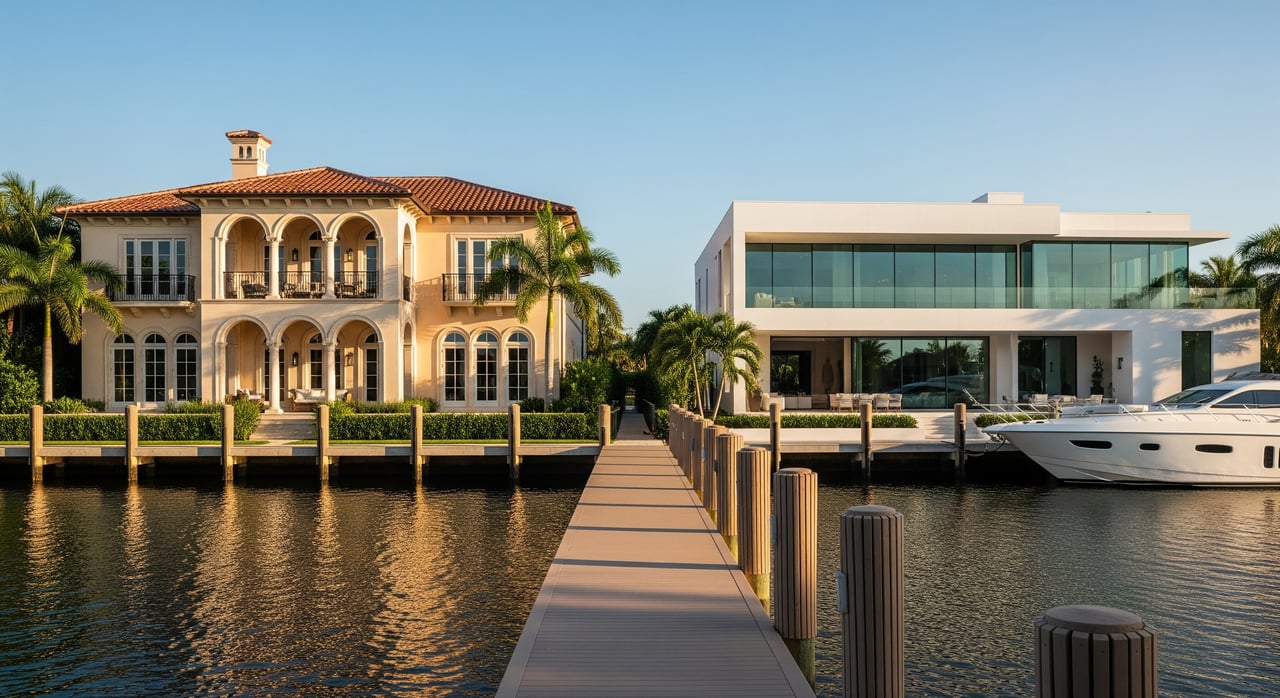
Thinking about transforming a property in Port Royal but not sure if renovation will get you there or if a full rebuild makes more sense? You are not alone. The choice affects your budget, timeline, insurance, and resale value, especially in a coastal market. In this guide, you will learn how to weigh market comps, permitting, flood and coastal rules, cost and ROI, and a step-by-step process to make a confident decision. Let’s dive in.
What drives value in Port Royal
Your first step is to understand what buyers pay a premium for in your immediate area. Comparable sales set the ceiling for value. If nearby new construction commands a clear price-per-square-foot premium over renovated older homes, a rebuild may unlock the strongest return. If preserved character and thoughtful updates sell faster and closer to the top of the market, renovation can be the better play.
Look at three sets of comps:
- Fully renovated older homes with quality finishes
- Recent new construction on infill lots
- Teardown-to-rebuild sales with similar lot size and location
Review days on market and price per square foot. You want to see where demand concentrates and which product aligns with your property’s lot, view, and access. Inventory and timing matter too. If you plan to sell or occupy quickly, the shorter path of a targeted renovation may outperform a longer rebuild.
Local rules and coastal constraints
Coastal properties face added layers of review and design requirements. Understanding them early can save time and money.
Zoning and design review
Local zoning controls use, setbacks, lot coverage, and height. Some neighborhoods include historic districts or design review. If your property sits within a historic area, exterior changes and demolition can require approval. Confirm what is allowed before you price a project or hire a designer.
Flood zones and elevation
Use FEMA flood maps to confirm your flood zone and base flood elevation. Properties in AE or VE-type zones often require elevated foundations, flood vents, and placement of mechanicals above certain heights. Elevating an existing structure can be complex. For some homes, the cost to elevate and retrofit approaches the cost of building new.
Code and wind resilience
Coastal building codes require wind-resistant construction. Expect details like hurricane straps, impact-rated windows, reinforced roof ties, and secondary water barriers. When renovation work becomes extensive, you may trigger code upgrades. For a rebuild, full compliance is required and should be priced into your plan.
Utilities and drainage
Verify whether the home connects to municipal sewer or uses septic. A rebuild can trigger utility upgrades or a required sewer tie-in if available. Plan for drainage and stormwater rules if you increase impervious surfaces. These items can add cost and time, especially near marshes, tidal creeks, or shorelines.
Cost, financing, and timeline
Renovation and rebuild costs vary by scope, site, and finishes. Outline both scenarios before you commit.
Renovation cost drivers
- Structural corrections and foundation repairs
- System upgrades for electrical, plumbing, and HVAC
- Hazard abatement such as lead-based paint or asbestos in older homes
- Floodproofing, elevation modifications, and moisture mitigation
- Finishes like kitchens, baths, flooring, and paint
Cosmetic work is often faster and less expensive. Major structural changes, elevation adjustments, and full system replacements push costs higher and extend timelines.
Rebuild cost drivers
- Demolition and debris removal
- Site work, dewatering, and foundation choice, including piles if required
- Engineered plans and surveys
- Utility reconnections and potential septic-to-sewer changes
- Code compliance including wind and flood resilience standards
New construction offers clearer cost predictability per square foot but needs higher upfront capital and more time to complete.
Financing paths
- Renovation loans: FHA 203(k), Fannie Mae Homestyle, or VA renovation loans can fund eligible improvements. Some owners use cash or a HELOC for speed.
- Construction-to-permanent loans: Common for rebuilds. These require draw schedules, inspections, and a permanent loan conversion at completion.
- Insurance and lender conditions: Lenders and insurers may require certain mitigation, such as elevation and impact-rated openings, to secure coverage or favorable rates.
Timeline expectations
- Renovation: Small to medium scopes often take weeks to a few months. Full-house or structural renovations can run several months and face surprises such as hidden rot, pest damage, or moisture issues.
- Rebuild: Demolition, permitting, and construction typically run 6 to 12 months or more, depending on scope and seasonal conditions. Coastal reviews and specialty foundations can add weeks to months.
How to assess your property
A structured assessment will bring clarity to cost, time, and risk.
Start with inspections
- Structural engineer review of framing, foundation, and any compromised load-bearing elements
- Full systems inspection for electrical capacity, panel condition, plumbing materials, HVAC age and efficiency, and water heater
- Pest and mold inspection
- Environmental screening for lead paint and asbestos in older homes
- Geotechnical and soils information plus an elevation certificate or survey
- Title and plat check for easements, setbacks, deed restrictions, and covenants
These findings will shape the scope of renovation or confirm that a rebuild is more practical.
Quick decision criteria
Consider renovation if:
- The foundation and structure are sound
- The layout can be modernized without major structural changes
- Architectural character is worth preserving
- Zoning or lot constraints limit a larger footprint
Consider a rebuild if:
- Foundation or structural systems are severely compromised
- Elevation and retrofit costs approach a new build
- The lot can support a higher-value design that local comps justify
- Ongoing repairs make renovation uneconomic
Permits to confirm early
- Historic review or demolition requirements if applicable
- Floodplain and elevation rules for any lifted or rebuilt structure
- Wetland, shoreline, dock, or seawall reviews for waterfront work
- Sewer connection requirements and potential impact fees for new construction
Budgeting steps
- Obtain written scopes and bids from two to three experienced coastal contractors for both a full renovation and a comparable new build
- Add professional fees for architects, engineers, surveys, and special inspections
- Include permits, impact fees, and a realistic contingency
- Carrying costs: plan for temporary housing or staged living, interest during construction, insurance, utilities, and taxes
Set contingency targets in line with risk. Renovations often warrant 10 to 25 percent. New builds commonly warrant 10 to 20 percent or more depending on site complexity.
Risk and contingency
Hidden condition risk is higher in renovations. Rebuilds can face fewer structural surprises but greater permitting and coastal review risk. Insurance coverage can change during demolition or major work, so coordinate with your insurer and lender well before you start.
Putting numbers to ROI
Treat ROI as a local, comp-driven calculation. Start with the likely market value after each path:
- Renovate: Use recent sales of renovated homes with similar size, lot, and location to estimate resale value.
- Rebuild: Use new construction or recent rebuild comps at comparable scale and finish.
Subtract total project costs, including fees and carrying costs. Compare the net outcomes and timelines. Consider what attracts buyers now: updated kitchens and baths, energy efficiency, functional layouts, and well-executed coastal resilience measures often drive near-term appeal. Industry cost-versus-value reports suggest ROI varies widely by project type and region, so local comps should carry the most weight.
Intangibles also matter. Renovation may preserve character you value and get you back in the home sooner. A rebuild can deliver a layout tailored to today’s living, stronger resilience, and lower long-term maintenance.
Next steps and local partners
- Confirm your flood zone and base flood elevation with official maps and your elevation certificate.
- Order engineering and systems inspections to clarify scope and risk.
- Check zoning, setbacks, and any historic review requirements.
- Get dual bids for a defined renovation and a comparable new build.
- Align financing and insurance early so you know what is feasible under each path.
If you want a second opinion on comps or help coordinating the right coastal specialists, we are here to help. A thoughtful plan anchored in data and the realities of coastal construction will protect your budget and your timeline.
Ready to talk through your property and the path that fits your goals? Connect with The Silvers Group for a private consultation.
FAQs
What should I evaluate first when deciding to renovate or rebuild in Port Royal?
- Start with market comps, flood zone and base flood elevation, and a structural and systems inspection to understand value potential, constraints, and risk.
How do flood zones affect renovation versus rebuild decisions?
- Properties in mapped flood zones may require elevated foundations, flood vents, and raised mechanicals. The cost to elevate can push a project toward rebuilding if retrofits are extensive.
What permits can delay a coastal rebuild in Port Royal?
- Demolition approvals, historic or design review, floodplain elevation requirements, and any wetland or shoreline-related permits can extend timelines.
Which financing options are commonly used for each path?
- Renovations often use FHA 203(k), Homestyle, VA renovation loans, cash, or a HELOC. Rebuilds typically use construction-to-permanent financing with inspections and draw schedules.
How long does a rebuild usually take compared to a renovation?
- Renovations can run weeks to several months depending on scope and surprises. Rebuilds commonly require 6 to 12 months or more, including permitting and construction.
What costs do owners often miss when budgeting?
- Professional fees, impact fees, temporary housing, interest carry, insurance adjustments during construction, and contingency for hidden conditions or permitting delays.
When does preserving an older home make more sense than rebuilding?
- When structure and foundation are sound, the layout can be updated without major structural work, or neighborhood character and scale favor a high-quality renovation over a larger new build.