Should you buy a turnkey Port Royal estate or start with a lot and build your own legacy home? Both paths can deliver the waterfront lifestyle you want, but they come with different timelines, risks, and decisions. If you value privacy, deep-water access, and refined design, this choice is likely the most important step in your Naples journey. In this guide, you’ll learn how Port Royal buyers compare lots and finished estates, what drives value on the water, and how to navigate permitting and due diligence with confidence. Let’s dive in.
How Port Royal buyers decide
Your decision usually comes down to lifestyle timing, tolerance for project risk, and your vision for the property. A finished estate gives you immediate occupancy and a turnkey experience. A lot or teardown offers full customization and control over every detail, but it adds demolition, permitting, construction, and carrying costs.
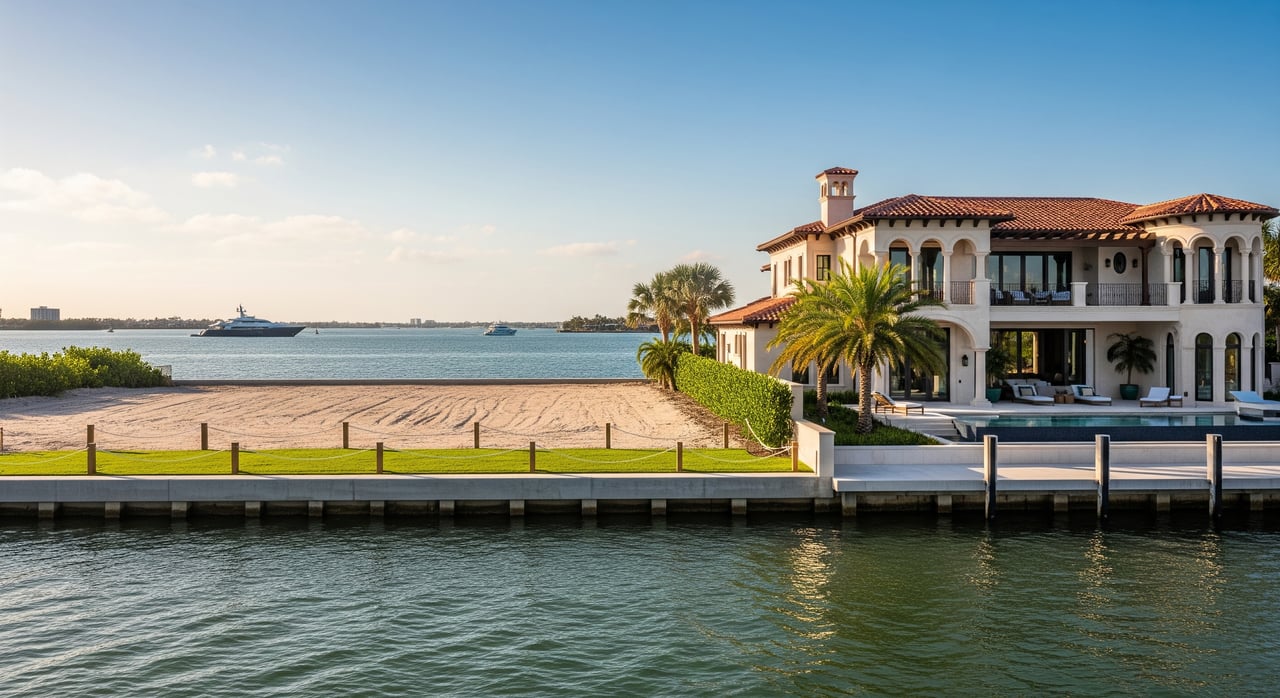
In Port Royal, the waterfront itself often drives the outcome. Frontage type, channel depth, and riparian rights can matter as much as the house. Early clarity on water access, seawalls, and orientation helps you make the right call.
Finished estate: when it makes sense
Buying a completed estate in Port Royal fits if you want immediate enjoyment with minimal project risk. You can start living the lifestyle right away and avoid construction variables. Finished properties often move faster because many high‑net‑worth buyers prefer a turnkey option.
You still want to verify marine structures, flood compliance, and permitting history. Even with a recent build, confirm seawall condition, dock permits, and elevation relative to current flood maps. The more you know about the site, the stronger your long‑term position.
Lot or teardown: when it wins
If you envision a legacy property that is fully tailored to your lifestyle, a lot or teardown gives you design control. You can optimize the home for your boat size, sunset views, privacy buffers, and indoor-outdoor living. You also control structural and flood resiliency from day one.
Expect a longer path to occupancy. Schematic design and approvals can take months, and construction for an ultra-luxury coastal estate commonly spans 12 to 36 months or more depending on scope and marine work. Demolition, seawall replacement, and dock permitting can extend that timeline.
Waterfront factors that drive value
Not all water is equal. In Port Royal, the waterfront’s character often sets both lifestyle and resale potential.
- Frontage type. Direct Gulf or broad bay views tend to command premium value. Canal frontage varies by channel width, depth, and access to the Gulf.
- Frontage length and usable shoreline. Longer, usable shoreline can accommodate larger docks, multiple slips, and greater privacy. Verify recorded measurements and actual conditions along the seawall.
- Water depth and access. Confirm mean low water depth and the route to the Gulf. If you plan to berth a larger vessel, channel depth, bridge clearances, and dredge history are essential.
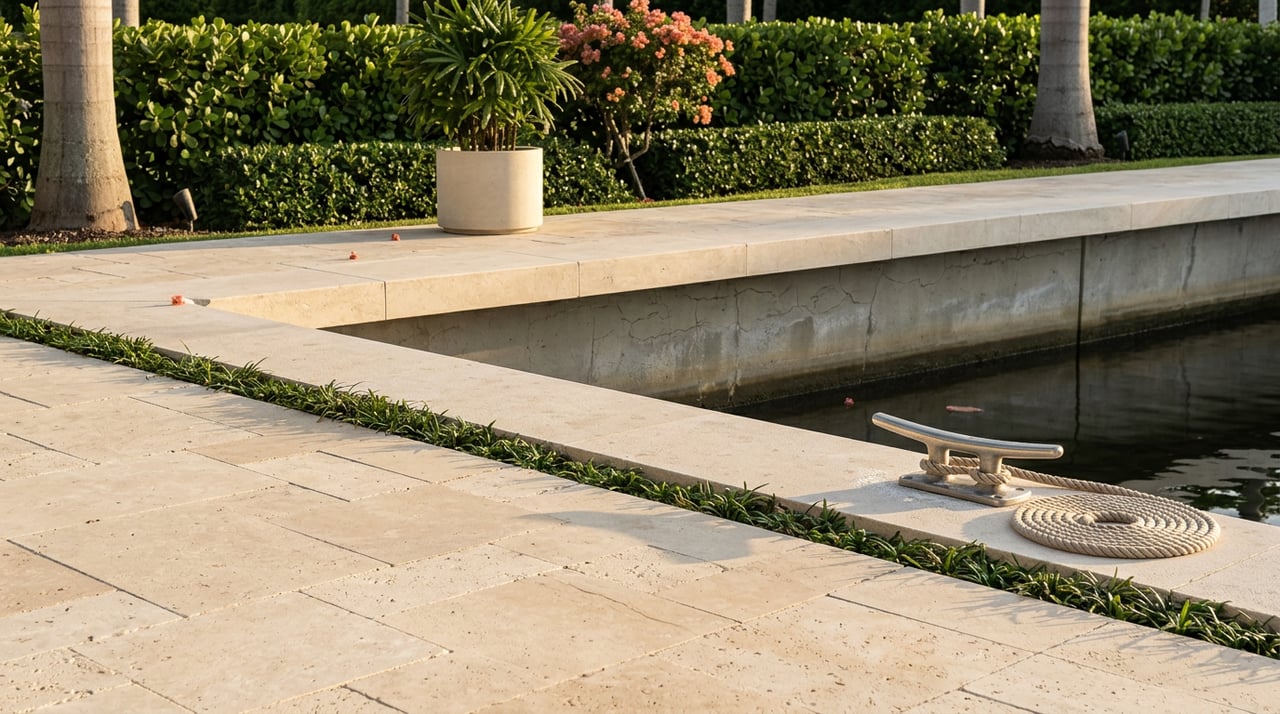
- Seawall and dock condition. Determine the age, material, and condition of the seawall and any dock structures. Replacement or repairs may require permits and add cost and time.
- Riparian and submerged land rights. Rights to build or modify docks can vary by parcel. Confirm what is allowed before you rely on a specific dock plan.
Orientation, views, and privacy
View corridors and sun orientation shape daily living. West-facing sites can capture signature Naples sunsets and may support higher resale. Lot angle, neighboring structures, and landscape buffers all influence light and privacy.
Setback lines, height limits, and architectural guidelines affect your design envelope. Confirm these early to avoid compromising your view plan or pool placement later.
Lot geometry, elevation, and soils
- Size and shape. Large or irregular sites can support guest houses, separate garages, and generous outdoor rooms. Narrow or shallow parcels demand careful space planning.
- Elevation and grade. Higher sites can reduce flood exposure and engineered fill requirements. Low-lying sites may need fill or elevated foundations, which affects cost and design.
- Soils and structure. Coastal soils often require deep foundations or piling systems, especially for multi-story luxury construction. Commission geotechnical borings early so you can budget accurately.
Zoning, CC&Rs, and redevelopment potential
City zoning and recorded neighborhood restrictions determine footprint, height, lot coverage, and permissible uses. Subdividing parcels in Port Royal is typically not feasible, so the focus is on a single custom estate or a respectful renovation.
Review CC&Rs, architectural guidelines, and any environmental constraints such as mangrove protections. These rules influence everything from rooflines to landscape screening to dock footprints.
Permitting and timelines you can expect
In the City of Naples, you can expect a typical progression that includes pre-application or planning review, architectural review when applicable, building permits, trade permits, inspections, and a certificate of occupancy. Marine elements like docks, lifts, and seawalls can trigger additional state or federal reviews.
If you are planning a custom build, budget time for design and approvals before you break ground. Complex coastal estates commonly take 12 to 36 months or more from design through completion, depending on scope and permitting. Weather and seasonal conditions can impact marine work.
Cost drivers and carrying considerations
- Land versus build. Coastal luxury construction includes impact-rated systems, elevated foundations, marine-grade materials, and high-end finishes. These can rival or exceed the land acquisition cost.
- Demolition and site prep. Teardowns can involve asbestos or mold abatement, utility disconnects, foundation removal, seawall work, and site stabilization. Get early bids for realistic budgeting.
- Insurance and taxes. Flood and wind insurance vary based on elevation, flood zone, and mitigation features. Taxes and utilities apply whether you hold a lot or an estate.
- Financing. Construction lending for ultra-luxury coastal builds is specialized. High‑net‑worth buyers often use cash or portfolio financing with staged draws and firm cost controls.
Resale, liquidity, and buyer preferences
Turnkey estates appeal to buyers who want immediate lifestyle access, so they may trade more quickly. Custom builds attract buyers who want personalization and long-term value, but they come with longer holds and exposure to construction market cycles.
For valuation, unique lots and bespoke homes can be harder to comp. A strong broker opinion informed by nearby luxury sales helps you price or buy with confidence.
Due diligence checklist for Port Royal parcels
Build these items into your contingencies or pre-offer review. They reduce uncertainty and help you compare a lot versus an existing estate on equal footing.
- Title and recorded documents: deed restrictions, CC&Rs, easements, riparian rights, and any agreements tied to docks or seawalls.
- Survey and legal: recent ALTA or boundary survey with setbacks, encroachments, elevations, and shoreline monuments.
- Flood and elevation: FEMA flood-zone determination, base flood elevation, and any elevation certificate. Confirm if fill or higher finished-floor elevations will be required.
- Seawall, dock, and marine records: age, condition, prior permits, maintenance history, and as-builts. Review channel depth, dredge history, and submerged lands rights.
- Permits and compliance: any open violations or expired permits. For new work, seek pre-application feedback from the City to flag probable conditions.
- Environmental and arborist: mangrove presence, protected species, tree protection ordinances, and a Phase I environmental screen when appropriate.
- Geotechnical and utilities: soil borings, structural recommendations, and the location and capacity of utilities. Determine stormwater handling and any lift-station needs.
- Building and design limits: height, coverage, impervious surface allowances, wind-design criteria, and architectural guidelines.
- Insurance and taxes: property tax history and preliminary flood and wind insurance estimates.
- Cost validation: builder and marine-contractor bids for construction, seawall, and dock scope.
The right local team and workflow
You will move faster and reduce risk with a coordinated team that knows Port Royal standards and processes. Assemble your group early so design, marine, and permitting steps stay aligned.
- Luxury real estate broker with proven Port Royal experience for comps and off-market access
- Coastal or marine engineer and a marine surveyor for bathymetry, seawall, and dock design
- Licensed local architect versed in Florida coastal design and wind requirements
- Luxury builder with coastal permitting experience and a vetted subcontractor network
- City planning and building officials for pre-application clarity
- Title company and real estate attorney for recorded rights and closing implications
- Civil and structural engineers and a geotechnical engineer for foundation planning
- Arborist and environmental consultant when mature landscaping or mangroves are present
- Surveyor for ALTA or boundary work, shoreline measurements, and encroachments
A simple decision framework
Use this quick reference to compare options against your goals.
- Choose a finished estate if you want immediate occupancy, a defined carrying profile, and minimal project risk.
- Choose a lot or teardown if you want full customization, tailored marine infrastructure, and are comfortable with longer timelines and construction variables.
- Prioritize waterfront fundamentals either way: frontage type, usable shoreline, channel depth, dock rights, and seawall condition.
- Run a full due diligence playbook before you commit: title, survey, flood and elevation, marine records, geotechnical, environmental, design constraints, and cost validations.
- Align the team early: broker, architect, builder, and marine specialists who have Port Royal experience.
When you weigh these factors through the lens of your lifestyle and timeline, the right answer becomes clear. If you want help pressure-testing a specific parcel or comparing a finished estate against a teardown opportunity, we are ready to provide the local detail and private-market access that make the difference.
Ready to explore the best Port Royal options for you? Connect with The Silvers Group to schedule a consultation or join our private listings list.
FAQs
What should I check first when evaluating a Port Royal lot?
- Start with waterfront fundamentals: frontage type and length, channel depth to the Gulf, dock and riparian rights, and the condition of any seawall or marine structures.
How long does a custom Port Royal build typically take?
- Complex coastal estates commonly require 12 to 36 months or more from design through completion depending on scope, marine work, and permitting.
Are subdivisions or lot splits common in Port Royal?
- Subdivision is typically rare due to zoning and recorded neighborhood restrictions, so value usually centers on a single custom estate.
What permits are required for docks and seawalls in Port Royal?
- Expect City approvals and, for work in or over the water, potential state and federal reviews; scopes that affect submerged lands, mangroves, or navigable waters often require additional permits.
Do finished estates sell faster than lots or teardowns in Port Royal?
- Turnkey estates often appeal to buyers seeking immediate lifestyle, while lots and teardowns attract those prioritizing customization and are tied to longer project timelines.