
Pelican Bay Amenities Comparison for High-Rise Condos
Trying to choose between Pelican Bay high-rise buildings that look similar on paper? The right amenities can shape your daily routine, monthly costs, and long-term value. You want easy beach access, reliable services, and low-maintenance living without surprises. In this guide, you will learn how to compare amenities that matter in Pelican Bay, what they cost, and how to verify the details before you buy. Let’s dive in.
Pelican Bay is a coastal, master-planned community where some amenities are handled by the master association and others by each building. That setup can deliver strong lifestyle value, yet it also means rules and costs vary by building. Amenities influence your monthly fees, insurance requirements, and resale potential.
If you split time between homes or want lock-and-leave convenience, building services like concierge and on-site management can be invaluable. If you plan to rent seasonally, you will want to understand rental policies and how they interact with amenities such as pools, fitness centers, and parking.
Beach access is often the top value driver. Confirm whether access is deeded to the building, provided through the master association, or shared. Ask about distance to the shoreline and whether there are maintained walkovers. Clarify any guest rules and whether beach facilities are staffed seasonally.
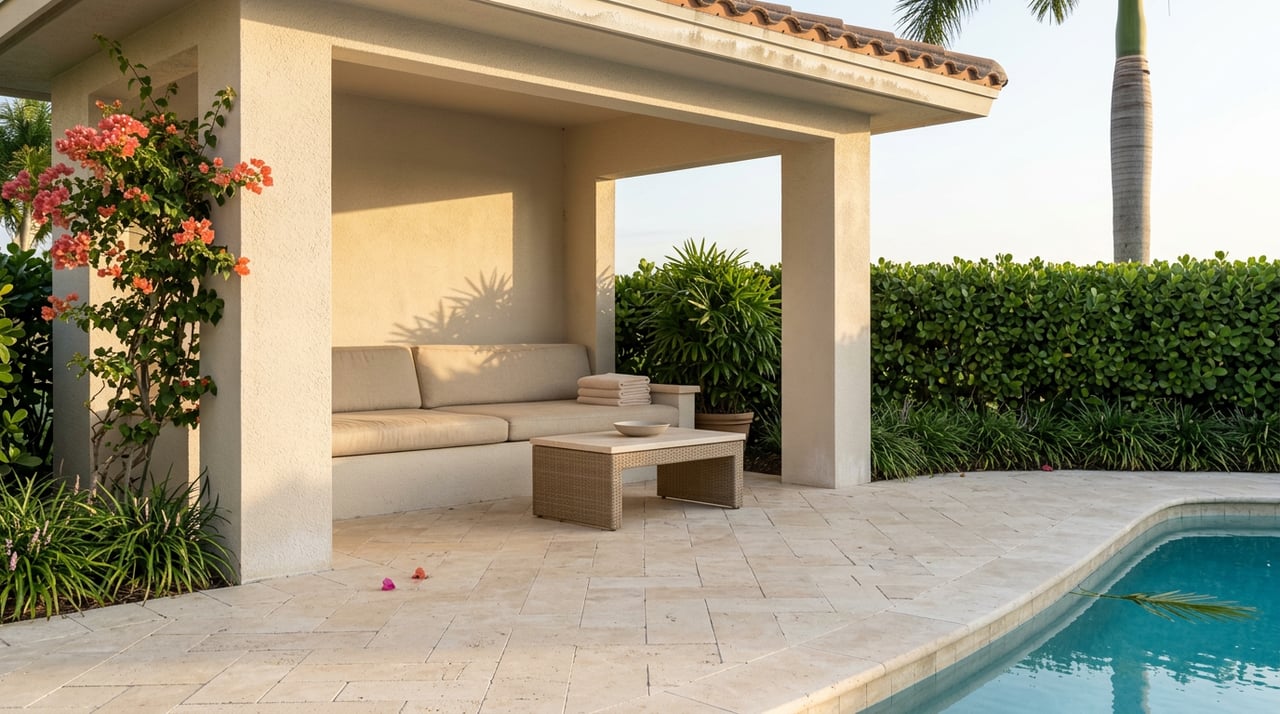
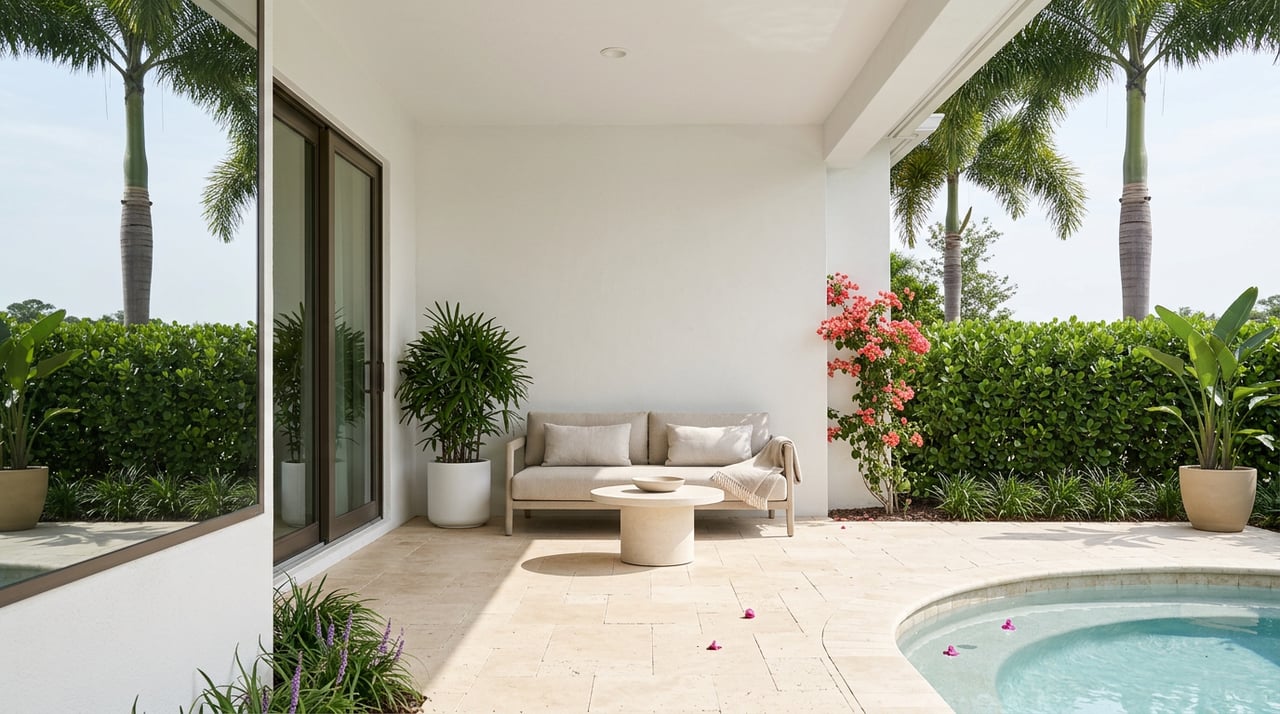
Many towers feature exterior pools. Compare pool types such as heated pools or lap lanes, along with outdoor showers and seating areas. Maintenance and staffing for pools affect reserves and operating budgets, so review how these are funded.
Consider how easily you can reach beachfront paths and parks. Look for beach gear storage, bike rooms, and rinse-off stations that simplify day-to-day living. These details seem small but add real convenience for seasonal and full-time owners alike.
Concierge, front desk coverage, and 24-hour security reduce your to-do list and provide peace of mind. Staffing levels directly influence monthly fees. Ask about hours, response times, and how package handling and guest access are managed.
Covered or assigned parking, valet options, and visitor spaces matter for daily convenience. Verify how many spaces come with a unit, where they are located, and any fees for valet or additional vehicles. These policies can differ from one building to the next.
On-site management and maintenance teams streamline repairs and seasonal upkeep. Inquire about package rooms, cold storage for groceries, and handling procedures. Reliable building operations are especially important if you travel frequently.
An on-site gym saves time and can support a healthy routine. Compare equipment quality, size, and whether there is a group studio or yoga room. Ask about hours, guest access, and maintenance schedules.
Some associations include tennis or pickleball courts or coordinate access to nearby facilities. These amenities encourage an active lifestyle but also require upkeep. Clarify court reservation rules, lighting, and any fees.
Community rooms, kitchens for events, libraries, or theater rooms support social engagement. Check how often spaces can be reserved, any associated fees, and whether there are regular community activities.
If boating is part of your lifestyle, find out whether the building offers deeded slips, a community marina, or proximity to local marinas. Understand whether slips are deeded, leased, or on a waitlist and what the ongoing costs look like.
Look for kayak and paddleboard storage, racks, and launch points. If the building does not offer these, note nearby alternatives and rules for transporting gear through common areas.
Elevators shape your daily experience. Ask how many are available, whether there are service elevators, and the date of the last modernization. Loading zones and service access matter during move-ins and renovations.
Along the coast, hurricane protection is a key consideration. Ask about impact glass, shutters, backup generators, and how common areas are powered during outages. Confirm any recent structural or façade projects and how they were funded.
Storage units, trash chutes, and recycling rooms simplify condo living. Confirm the location and size of storage, rules for items like e-bikes, and how frequently common areas are serviced.
Rental policies influence wear on common areas and appeal for investors. Ask about minimum rental periods, the number of leases allowed per year, and whether there is a cap on rented units. Policies vary and can affect both lifestyle and resale.
Find out how guest access works for pools, gyms, and beach facilities. Some buildings limit guest counts or hours. Understand whether you can reserve spaces for private events and whether there are usage fees.
Pet rules appear in association documents. Confirm whether pets are allowed, any size or number limits, and whether there are pet relief areas or washing stations. These rules can be deciding factors for many buyers.
More amenities often mean higher monthly dues. Review what your fees include, such as water, cable, building insurance, and possibly A/C or internet. Ask for the current budget and owner statements so you can compare buildings fairly.
Amenities like pools, elevators, roofs, and beachfront infrastructure require long-term planning. Request the most recent reserve study and the funding level as a percentage of recommended. Review the last several years of financials and board minutes for planned assessments and major capital projects.
Coastal towers are often in FEMA flood zones, which can affect insurance requirements. Clarify what the master policy covers and where your HO-6 policy begins. Check flood zone information and whether elevation data is available for the building.
The right Pelican Bay high-rise should align with your lifestyle, balance costs and convenience, and support long-term value. Use the categories above to compare buildings on equal footing. Confirm all details through association documents and management so you can buy with confidence.
If you would like a curated shortlist based on your goals, reach out to the team that lives and breathes Naples luxury towers. Connect with The Silvers Group for a private consultation or to join our off-market list.

Bringing together a team with the passion, dedication, and resources to help our clients reach their buying and selling goals. With you every step of the way.
Get In Touch With Our Team To Learn More