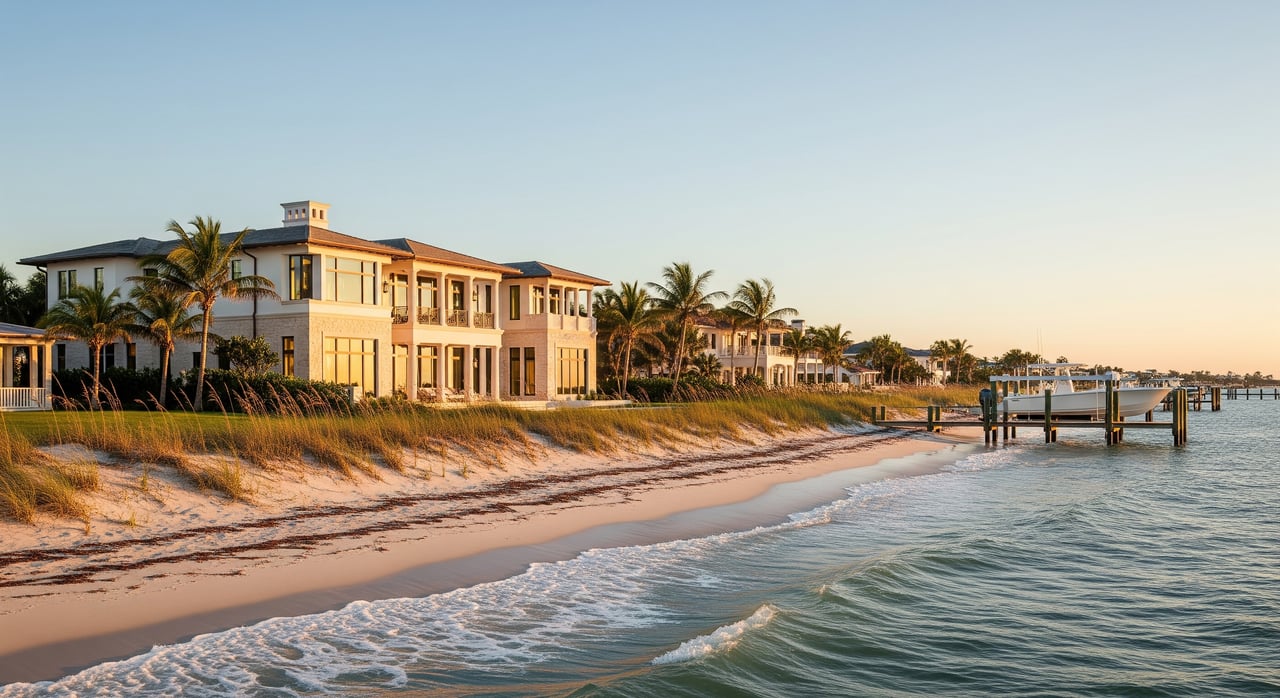
Understanding the Port Royal Coastal Construction Line (CCCL)
Are you eyeing a Port Royal property with big plans to renovate or rebuild? Before you fall in love with the view, make sure you understand Florida’s Coastal Construction Control Line. The CCCL can shape where you can build, how you design a home, and even whether certain shoreline projects can move forward. In this guide, you will learn what the CCCL is, how it affects Port Royal lots, and the steps to protect your investment. Let’s dive in.
The Coastal Construction Control Line is a Florida state boundary that marks areas at higher risk from coastal hazards. Landward of the line, typical development rules apply. Seaward of the line, construction and land-altering activities are restricted or require special state approval. The Florida Department of Environmental Protection administers the program in coordination with local agencies.
The CCCL exists to protect beaches, dunes, and coastal resources from erosion and storms. For Port Royal, where properties front Naples Bay and tidal waters, this line can directly impact your buildable envelope and shoreline plans. Many parcels sit under multiple layers of regulation, including local coastal setbacks, FEMA flood zones, mangrove rules, and federal dredge and fill permitting.
The bottom line is simple. The CCCL can influence design, permitting timelines, costs, and resale value. Understanding it early helps you make better decisions and negotiate with confidence.
CCCL impacts are highly site specific. A few feet can change what is possible. Always confirm the exact location on your lot with official maps and a certified survey.
To verify status, review the official CCCL mapping from the state, check local GIS and building records, and order a current boundary and topographic survey. The survey should show mean high water, mean low water, the CCCL, property lines, and existing structures. A thorough title review can also reveal coastal easements or recorded conservation lines.
If a lot or a portion of it is seaward of the CCCL, development is very limited. New permanent structures are generally prohibited unless a strict state permit is granted. These approvals are uncommon and difficult to secure. Routine shoreline work like bulkheads, seawalls, boathouses, and dredging receives high scrutiny and can require both state and federal permits.
Existing homes and improvements may be legal but nonconforming. Replacement or substantial improvement can trigger the need to meet current standards or obtain a CCCL permit. Depending on the location, approval can be challenging or not feasible.
Landward lots are typically developable but must meet special coastal design standards. Expect elevated construction to meet FEMA base flood elevations and any local freeboard, along with foundation requirements that can include piles. Setbacks from the CCCL or dynamic coastal lines may reduce how far you can build toward the water. Even if your house sits landward, most shoreline work still requires permits.
Your effective buildable envelope may shrink due to the CCCL, local setbacks, easements, and any buffers for mangroves or wetlands. Architects often respond with smaller floor plates, elevated designs, or cantilevered elements to fit within the limits.
Repairs and replacement of seawalls or bulkheads are common in Port Royal but require permits and modern engineering. Docks and boathouses depend on proximity to channels, submerged lands, and mangroves, and may require both state and federal authorization. Dredging typically triggers a higher level of review. If mangroves are present, separate approvals and mitigation may apply. These factors can limit the location and scale of your shoreline features.
Many Port Royal homes were built under older rules. Routine maintenance is usually allowed, but a major renovation or a tear down can change the equation. A substantial improvement can require full compliance with current coastal, flood, and foundation standards. That can mean elevating a structure, adjusting the footprint, or seeking specialized permits.
Full demolition often triggers full compliance requirements. The net effect is that redevelopment can take longer and cost more than a cosmetic remodel. Getting a feasibility opinion from a coastal engineer early will help you scope what is realistic on your lot.
The right experts help you reduce risk and speed approvals.
Most Port Royal waterfront projects involve several agencies. The mix depends on the scope and location of the work.
Permitting takes time. Plan your construction calendar around agency reviews and professional lead times.
Key cost drivers include professional studies, application fees, mitigation for habitat impacts, and construction upgrades like piles and elevated utilities. If your home is nonconforming, compliance upgrades can add significant cost. Some seaward projects are not feasible because of permit denials or high mitigation requirements. Even when approved, design changes can affect aesthetics and budget. Build in time and contingency funds for these variables.
Use this list before you commit to a Port Royal purchase.
Bring these to your first design and planning session.
If you are selling, reduce buyer uncertainty and protect your position.
Lenders and insurers evaluate elevation certificates, flood zones, and the condition of shoreline protection. Parcels near or seaward of the CCCL can receive extra scrutiny. Flood insurance costs reflect FEMA flood zones and the elevation of finished floors and utilities. Shoreline projects can change flood risk and premiums.
Resale can be affected if your usable envelope is small or if permitability for docks and seawalls is uncertain. Buyers often discount for regulatory risk. The best way to protect value is to document your lot’s constraints and secure as much clarity as possible before going to market.
Thoughtful terms can protect you during due diligence.
If you are serious about a Port Royal lot, move quickly on documentation. Order the official CCCL status, a current survey that shows mean high water and the CCCL, an elevation certificate, and a short feasibility opinion from a coastal engineer. Contact local building staff to confirm setbacks and shoreline rules. If you plan in-water work, consult federal permitting early.
A small upfront investment in surveys and feasibility can save months later. It also strengthens your offer by showing you understand the real constraints. If you would like an introduction to proven coastal engineers, surveyors, and permitting specialists with Port Royal experience, connect with The Silvers Group. We can coordinate records, advise on contingency language, and help you evaluate both on-market and private opportunities with clarity and confidence.
Bringing together a team with the passion, dedication, and resources to help our clients reach their buying and selling goals. With you every step of the way.
Get In Touch With Our Team To Learn More