Old Naples Architecture Styles: Historic & New Coastal
Thinking about buying or selling in Old Naples and wondering how a charming cottage stacks up against a sleek new coastal build? You are not alone. Old Naples blends history with fresh construction, and each path offers real benefits, trade-offs, and rules to navigate. In this guide, you will see how styles, codes, flood standards, insurance, and resale dynamics compare so you can move forward with clarity. Let’s dive in.
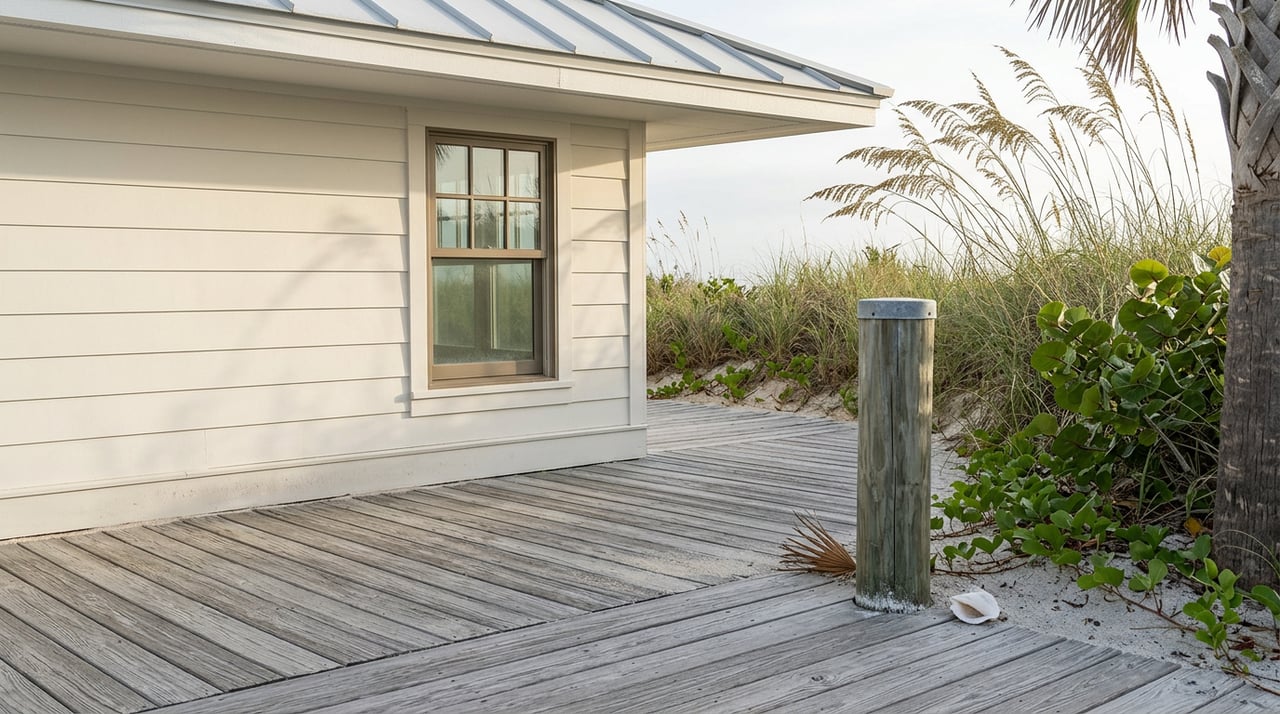
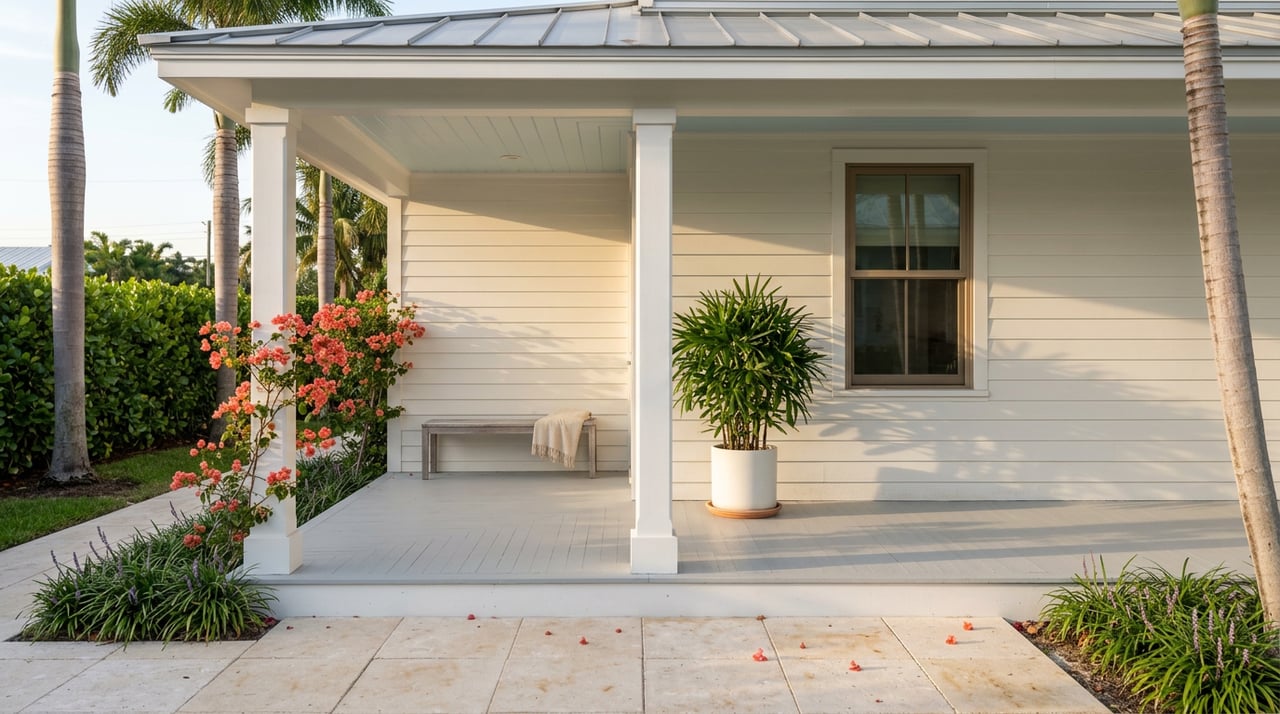
Historic Old Naples includes early-20th-century beach cottages, bungalow and craftsman-influenced homes, Florida vernacular and Key West styles, and some Mediterranean Revival elements. You often see wood-frame construction, wood siding or shingles, and wood windows. Porches with simple columns, latticework, and modest stucco or tile details are common on certain homes.
These homes are usually 1 to 2 stories with smaller footprints and lower lot coverage. Porches face the street and mature trees create a comfortable canopy. The pattern feels walkable and human-scale, especially near downtown and the beach.
Expect more hands-on care with traditional materials and older systems. Many original homes were updated over time, and some sit within areas that require preservation review. If a home is a designated historic resource or inside a local overlay, exterior changes may need approval before you lift a paintbrush.
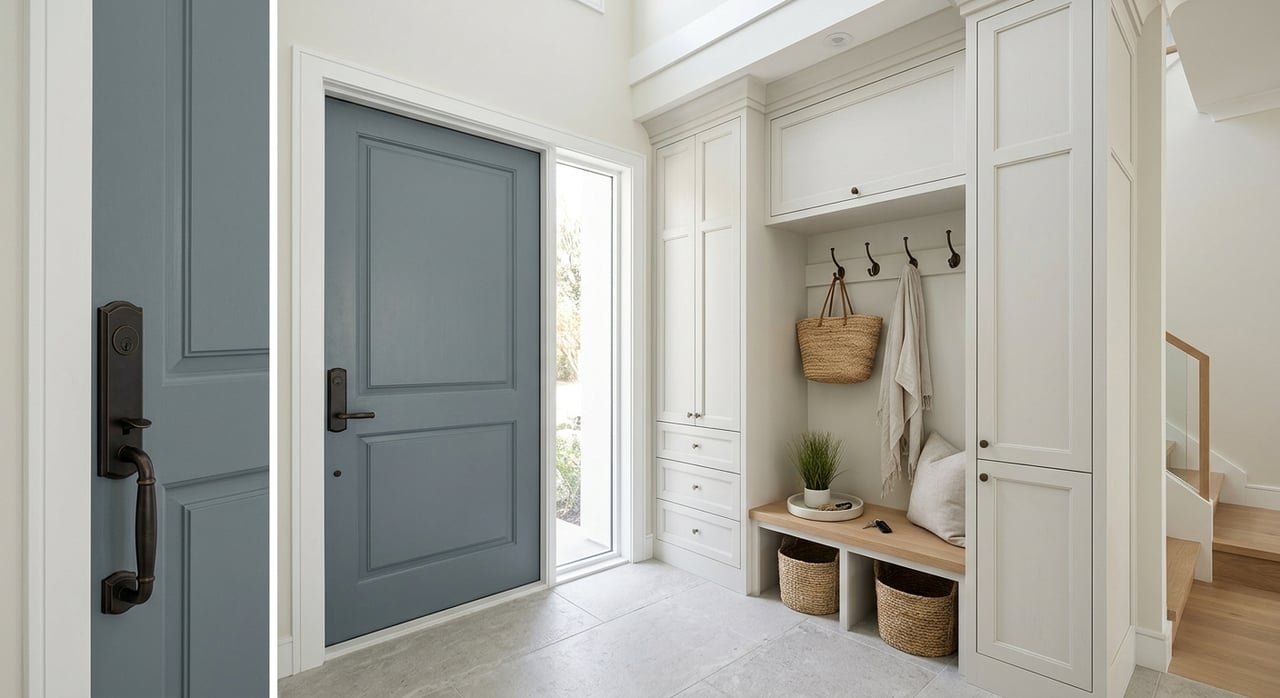
New coastal homes lean into open layouts, larger volumes, tall ceilings, and generous glass that brings in light. Materials often include fiber-cement siding, composite decking, impact-rated windows, and metal or concrete tile roofs. Finishes are chosen for a coastal climate and lower maintenance.
A major driver is resilience. New builds and substantial renovations must meet current Florida Building Code wind and structural standards. In flood-prone areas, living floors are elevated with pilings or raised slabs. Ground-level spaces are often designed for flood resistance rather than living.
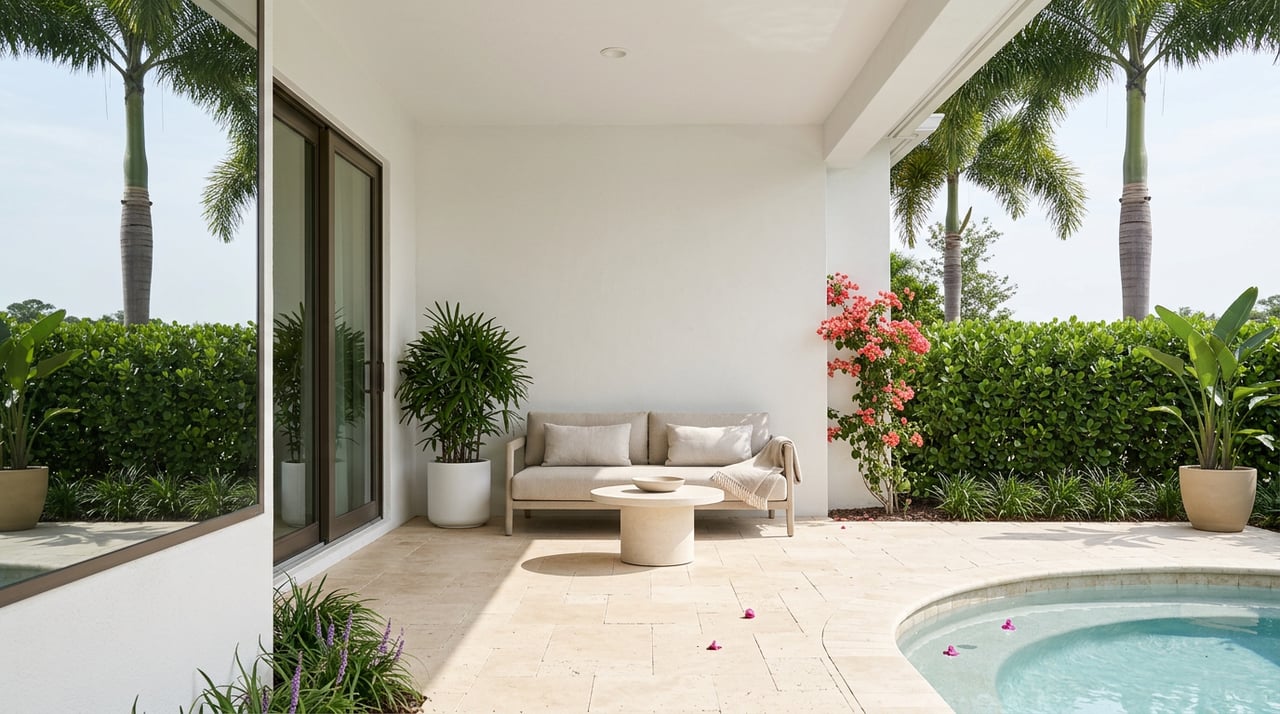
New coastal homes often maximize indoor-outdoor flow with lanais, pools, and private courtyards. They may push lot coverage within what zoning allows. Drive-under garages are common when elevation is required. Thoughtful design helps these homes fit the neighborhood rhythm and reduce visual bulk.
Within City of Naples boundaries, exterior work on designated historic resources or in certain historic areas can require review and approval. Demolition or substantial alteration of a pre-1940 structure or designated resource may be restricted, require mitigation, or face longer timelines. Connecting early with the City’s Planning and Historic Preservation staff helps you understand what is possible.
City zoning controls setbacks, lot coverage, and height. These rules dictate how much you can expand, where you can add a second story, and how a new home sits on the lot. If you are just outside city limits, Collier County zoning applies. Either way, confirm current standards before you design or offer.
Flood regulations hinge on FEMA Flood Insurance Rate Maps and local ordinances. Base Flood Elevations, freeboard requirements, and whether a property is in a coastal A-zone or V-zone all matter. V-zones trigger stricter rules for structure and openings. Elevation Certificates are commonly required for permits, insurance, and loan closings. Builders typically use piling foundations or raised slabs and elevate mechanical systems to meet code and reduce risk.
Lenders and insurers focus on elevation, structural reinforcements, roof systems, impact-rated openings, and claims history. Flood insurance may be mandatory for properties in special flood hazard areas if you use a federally backed mortgage. Windstorm coverage and hurricane deductibles are key cost factors in coastal Florida. Documented mitigation can improve insurability and terms.
In Old Naples, some buyers love the authenticity of a classic cottage steps from downtown and the beach. Others prefer a new coastal home with modern amenities and resilient construction. Both can sell well when they align with neighborhood character and are maintained or built to a high standard.
Historic homes can carry higher maintenance and upgrade costs, especially for wood exteriors and older systems. New coastal builds shift costs toward initial construction, elevation, and engineered materials, which may lower near-term maintenance. Insurance, flood premiums, and potential tax changes after a major rebuild are part of the equation.
If you own or are considering a historic property, you may face a choice between a careful renovation and a complete rebuild. Renovations can preserve charm but may trigger code upgrades and preservation review. Rebuilds deliver modern layouts and elevated living, but must meet current codes and neighborhood standards. Local sales data helps benchmark outcomes for each path.
If you are choosing between a historic cottage and a new coastal build, start with location, flood zone, and your lifestyle priorities. Then align the property’s path with current codes, review requirements, and your timeline. A well-preserved historic home in a walkable pocket can be a standout. A sensitively designed new coastal home that meets resilience standards can also command strong interest.
You do not have to decide alone. A local team can coordinate early conversations with the City of Naples, help you read zoning and flood constraints, and connect you with architects, builders, and insurers who work in Old Naples every day. If you are considering redevelopment, a team with investor and 1031 exchange experience can help you evaluate feasibility, timeline, and exit options with clarity.
Ready to compare properties, line up due diligence, or position a listing? Connect with the local experts at The Silvers Group for a private consultation or to join our curated private-listings list.
Bringing together a team with the passion, dedication, and resources to help our clients reach their buying and selling goals. With you every step of the way.
Get In Touch With Our Team To Learn More