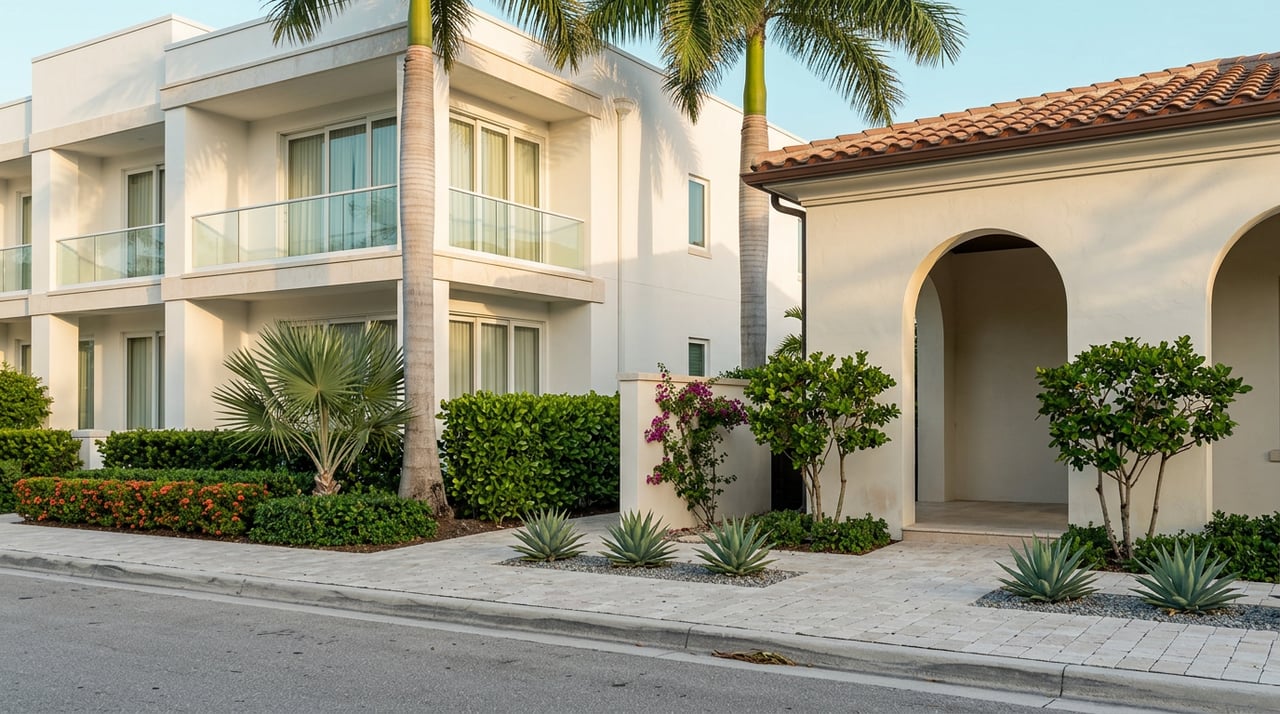
Choosing Between an Old Naples Condo and House
Torn between a breezy, walk-to-dinner condo and the privacy of a single-family home in Olde Naples? You are not alone. In a compact, high-demand neighborhood, the right choice comes down to lifestyle, carrying costs, and how different rules apply to each property type. In this guide, you will compare price bands, weigh trade-offs that are specific to Olde Naples, and use a buyer checklist built for Florida’s current rules. Let’s dive in.
Olde Naples is more of a lived experience than a hard boundary. Locals reference the Naples Pier, Fifth Avenue South, Third Street South, and Gulf Shore Boulevard as its heart. When you compare properties, use distance to the Pier or Fifth Avenue to judge walkability and the premium you might pay.
The downtown core around Fifth Avenue and Third Street is highly walkable. You can step out for dinner, visit galleries, and reach the beach in minutes. The housing mix is compact: older cottages and new coastal homes sit alongside boutique mid-rises and gulf-facing towers.
Market snapshots vary by source and boundary. As a reference point, one aggregator reported a neighborhood-wide median sale price in the low to mid 2 million range late in 2025. Example: Redfin median sale price (Dec 2025): about $2.35 million. Different providers can show medians from roughly $1 million to $2.5 million for Olde Naples because each measures a slightly different area and method.
Here are typical ranges that help you plan. Always confirm current comps before you write an offer.
Condos
Single-family homes
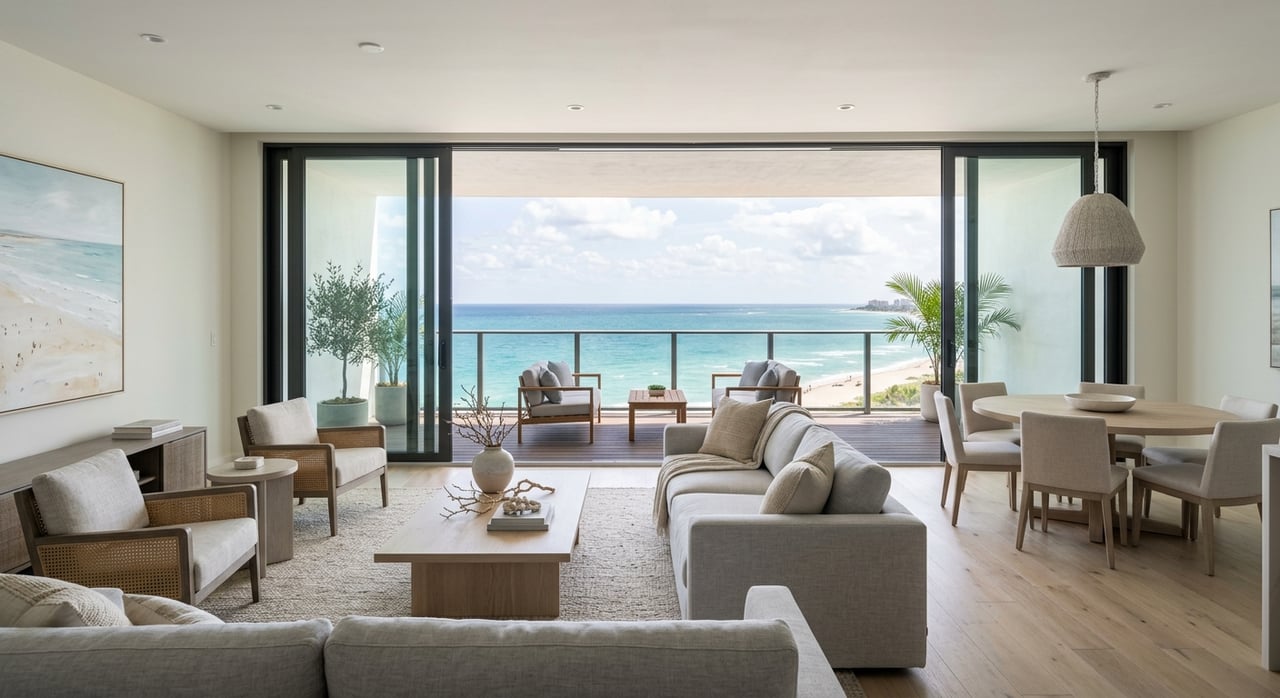
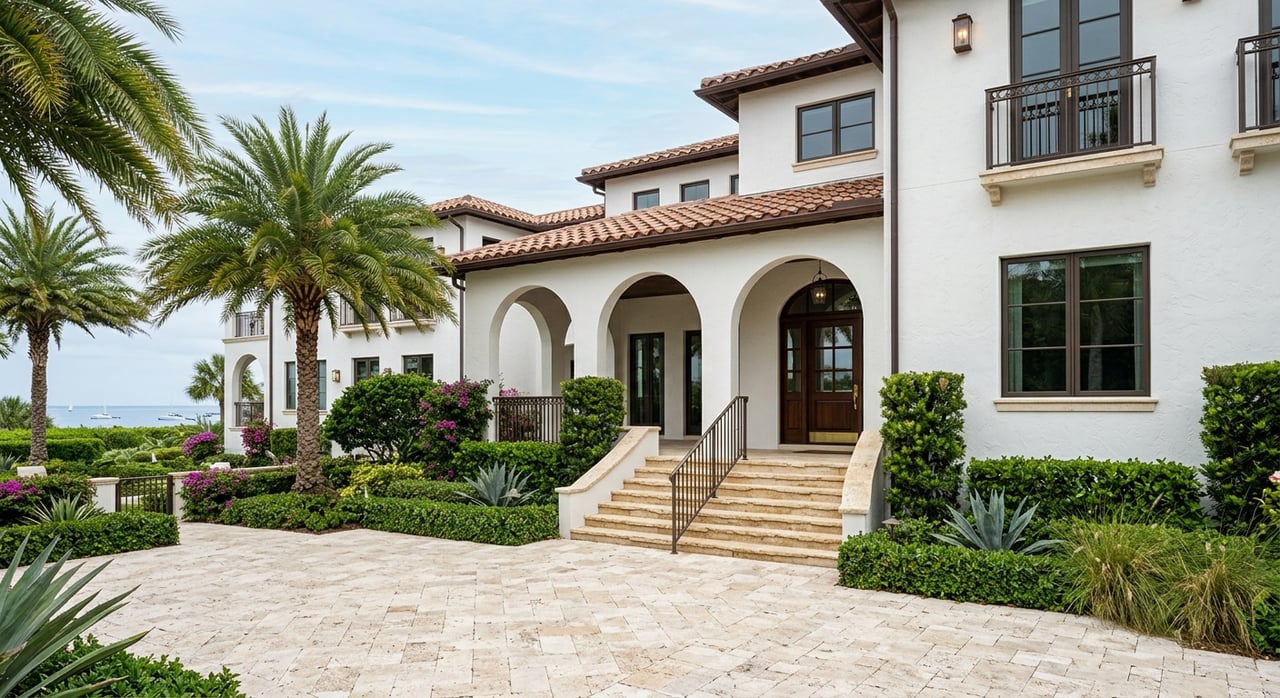
If you want immediate access to restaurants, galleries, and the beach, a downtown condo delivers that “lock and go” lifestyle. Many buildings put you within a few blocks of Fifth Avenue or the Pier. Some single-family cottages offer the same proximity, though many trade a slightly longer walk for more living space and a quiet residential feel.
Condos centralize maintenance. Monthly association fees typically cover exterior upkeep, landscaping, elevators, amenities, and often water or trash. Fees vary widely. Older boutique buildings can run modestly while full-service towers are higher. For single-family homes, you take on roof, exterior, and yard costs directly. If the home is in an HOA, understand how those rules and fees differ from a condominium’s master coverage. Florida’s statutory frameworks for condominiums and HOAs are separate. Review the applicable chapter for your property type in the Florida Statutes for condominiums under Chapter 718 and for homeowner associations under Chapter 720.
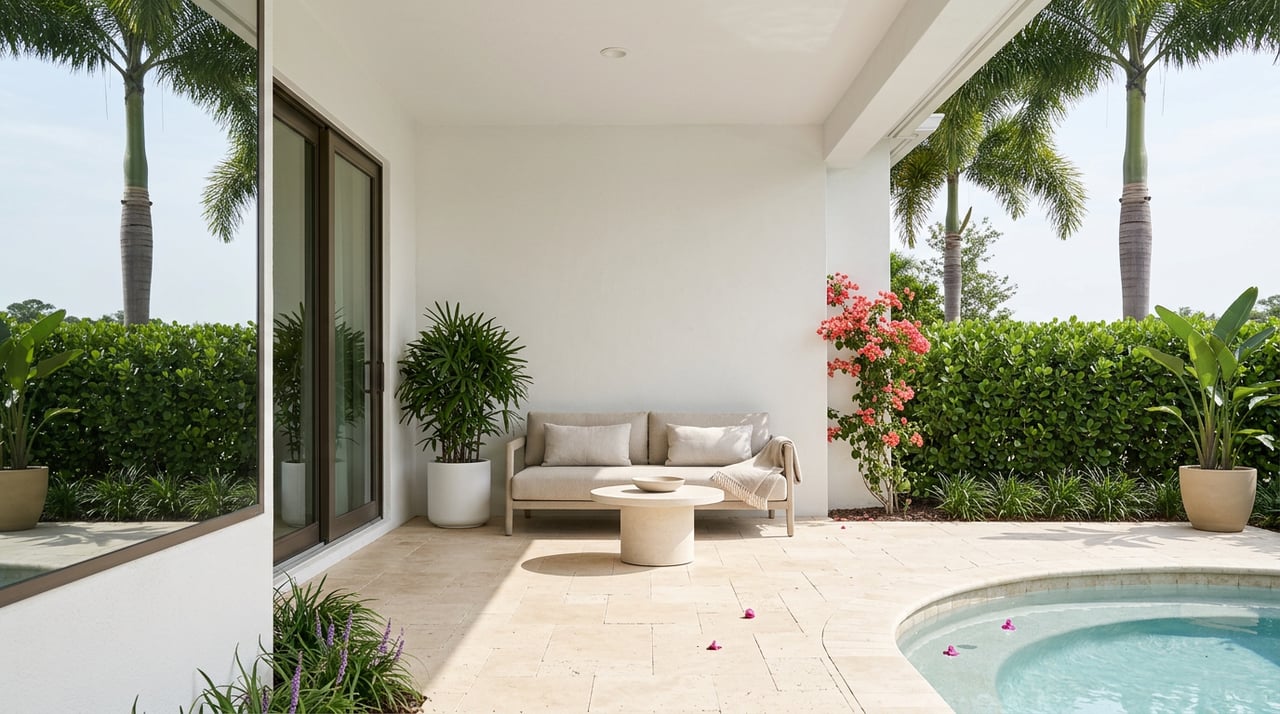
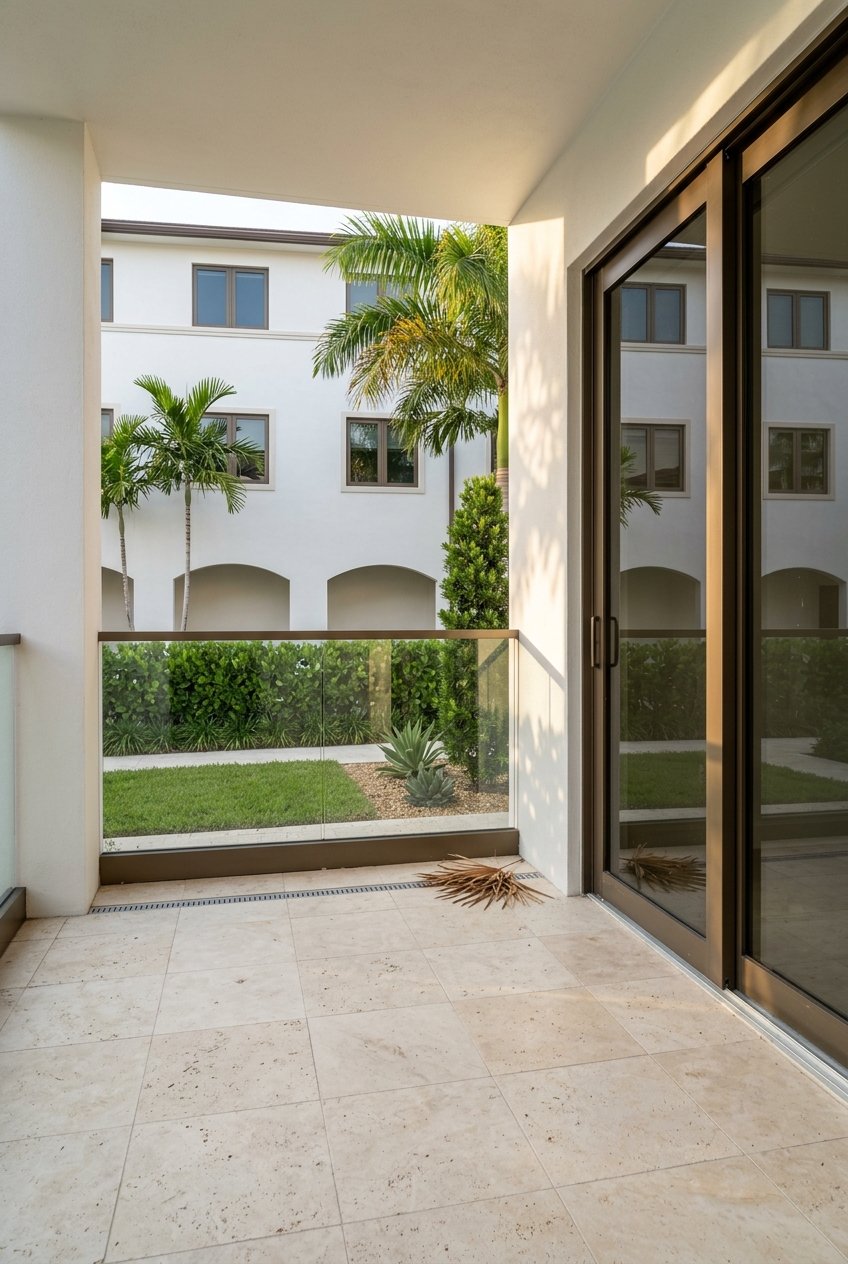
Condos usually offer balconies or terraces, plus shared amenities. Parking and storage depend on the building, and garage spaces are a premium in the core. Single-family homes provide private yards, driveways, and garage storage, which many buyers value for pets, gear, and bicycles. In the historic core, lot widths can be narrow, so even small yards and dedicated parking drive demand.
Florida now requires milestone structural inspections for condominium or cooperative buildings that are three stories or more. The first milestone generally occurs at 30 years, or at 25 years in some locales, with recurring inspections every 10 years. A related Structural Integrity Reserve Study (SIRS) is also required and can influence reserve funding and special assessments. These rules are material for buyers and lenders. Review your building’s reports and schedules through the state’s resources on condo inspections and SIRS.
Condo loans involve an extra layer of project review. Lenders and secondary market investors look at reserves, maintenance, assessments, litigation, and occupancy. If a building has significant deferred repairs or unsettled assessments, some conventional loan programs can be limited until issues are resolved. Ask your lender to explain project eligibility rules and review Fannie Mae’s condo project requirements.
Olde Naples sits on the coast, so flood and wind exposure matter. Collier County’s updated coastal flood maps became effective in early 2024. Many properties are in high-risk coastal zones, and flood insurance may be required by lenders. Use the county’s Floodplain Management page and FEMA’s Flood Map Service Center to check a specific parcel and request an elevation certificate where needed.
Florida’s property insurance market is evolving, with premiums and availability influenced by location, building characteristics, and mitigation features. Before you go under contract, obtain preliminary quotes for homeowners, wind, and flood coverage to validate your budget. For market context, the Florida Office of Insurance Regulation provides a current property insurance market overview.
If you plan to rent your property when not in residence, align your plan with local and association rules. Collier County requires short-term vacation rental registration for properties in unincorporated areas. Properties inside the City of Naples are exempt from the county registry, yet must still comply with state licensing and any city codes that apply. Many condo and HOA documents also restrict minimum lease terms. Review the county’s short-term vacation rental guidance and the association’s rules before you underwrite rental income.
Use these quick prompts to match your lifestyle and risk comfort to the right property type.
A focused checklist helps you protect value and avoid surprises in Olde Naples.
Documents to request
Technical and financial checks
Lifestyle fit checks
Olde Naples rewards buyers who value both lifestyle and operational clarity. Your best outcome comes from pairing on-the-ground neighborhood knowledge with disciplined due diligence. If you want curated options, off-market access, and help navigating inspections, financing, flood, and insurance, connect with The Silvers Group. Schedule a consultation or join our private listings list.
Bringing together a team with the passion, dedication, and resources to help our clients reach their buying and selling goals. With you every step of the way.
Get In Touch With Our Team To Learn More