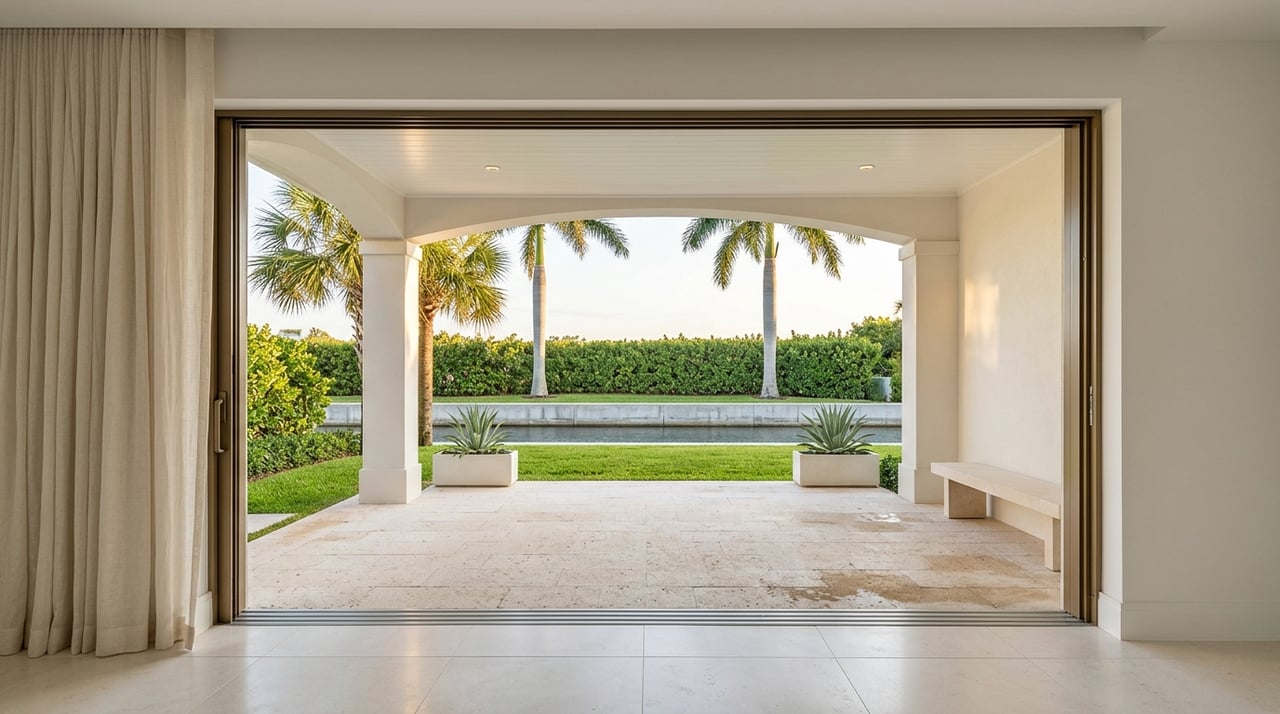
Second-Home Buyer’s Guide To Old Naples
If you are shopping for a second home in Naples, Olde Naples usually rises to the top fast. It offers the rare mix of beach access, walkability, and downtown convenience that many seasonal buyers want, but the right purchase here depends on more than a beautiful address. You also need to think through ownership style, rental rules, flood and insurance questions, and how much day-to-day oversight you want between visits. Let’s dive in.
Olde Naples is one of the City of Naples’ original neighborhoods, with many homes dating back to near the turn of the century. The city describes the area as extending from Third Street South to the Naples Beach Hotel and Golf Club area, and from US 41 to the beach. For many buyers, that translates into a lifestyle built around proximity.
In practical terms, Olde Naples stands out because you can often reach the beach, dining, shopping, and daily errands without relying on a car for every trip. City planning materials also show a strong focus on pedestrian crossings, bicycle movement, and downtown mobility. If your goal is a seasonal home that feels easy to use the moment you arrive, that matters.
Two corridors shape everyday life here more than anything else: Third Street South and Fifth Avenue South. Third Street South is home to the city’s farmers market, while Fifth Avenue South serves as a downtown destination for dining, shopping, and live music. The city also identifies Fifth Avenue South as its central business district and retail core, which helps explain why so many second-home buyers start their search nearby.
The biggest second-home decision is not always which block you prefer. Often, it is whether you want a single-family home or a condominium.
That choice affects how much maintenance you will handle, how storm preparation works, what kind of flexibility you may have for updates, and how much time you spend managing the property when you are away. In a neighborhood like Olde Naples, where both older and newer properties exist, that tradeoff deserves attention early.
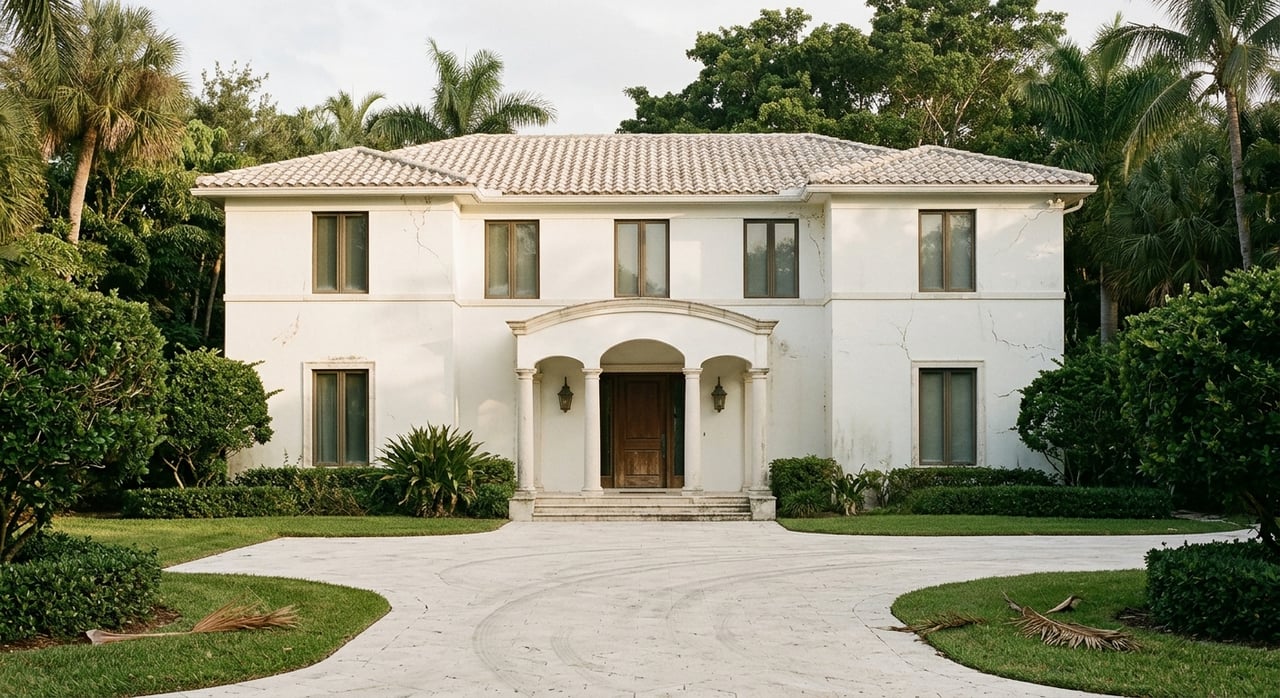
A single-family home can give you more privacy, more control over the property, and more room for customization. It may also suit buyers who want a legacy property, a redevelopment opportunity, or a more traditional Olde Naples residential setting.
At the same time, single-family ownership often comes with more responsibility between visits. You may need to think more carefully about exterior upkeep, storm-readiness, flood exposure, and routine property management when you are not in town.
For many second-home buyers, a condo offers a simpler ownership experience. Under Florida law, the association is generally responsible for maintaining the common elements unless the governing documents assign a limited common element duty to the unit owner.
That can make a condominium feel more practical for seasonal use. But it also means the declaration, bylaws, and board rules deserve close review before you commit. Two condos in the same area can offer very different rules, costs, and owner responsibilities.
Olde Naples is not just established. It also includes older and historically significant properties, and that can affect what you are allowed to change.
The City of Naples maintains a historic-building permit process and notes that the city has a wealth of historic buildings. If you are considering exterior work, an addition, a major renovation, or redevelopment, confirm early whether the property is in the historic district or subject to historic-review rules. That step can save time, money, and frustration later.
For some buyers, historic character is part of the appeal. For others, it may add too much process for a second home that is meant to be easy. The key is knowing which kind of ownership experience you want before you narrow your shortlist.
If you want the option to rent the property when you are away, start with City of Naples rules. Do not assume broad Florida vacation-rental norms apply the same way inside Olde Naples.
According to the city, single-family homes generally must be rented for 30 days or longer. They may be rented for less than 30 days only three times per calendar year, and they may not be advertised as available for less than 30 days. The city also states that most condominiums follow the same rule, though condo and HOA policies can be more restrictive.
That means rental flexibility should be verified property by property. A building’s own documents may impose stricter lease terms than the city does, and those rules can materially affect how useful the property is for your goals.
It is also important to note that because Olde Naples is within the City of Naples, Collier County’s short-term vacation rental registration ordinance does not apply there. For this neighborhood, city rules should guide your early due diligence.
A second home can carry a different tax profile once you begin renting it out. If you plan to use the property personally for part of the year and rent it the rest of the year, ask your CPA how that use affects its treatment.
IRS guidance states that mortgage interest on a second residence can be deductible if you itemize, and real property taxes are generally deductible if itemized, subject to current limits. The same guidance also notes that if the home is rented part of the year, additional rules apply, and the owner generally must use the home more than 14 days or more than 10 percent of the rental days, whichever is longer, for it to remain in second-home status.
Florida homestead treatment is also tied to a property that serves as your permanent residence. In other words, a true second home should not be assumed to qualify for homestead treatment.
If you plan to rent the property by the month or season, ask whether local tourist-development tax or other transient-rental tax applies. Collier County states that its 5 percent tourist-development tax applies to hotel and vacation-rental stays of six months or less.
Because Olde Naples is a coastal neighborhood, flood diligence should happen early, not after you fall in love with a property. The City of Naples states that it is particularly susceptible to flooding from major rain events and storm surge, and that 2024 Flood Insurance Rate Maps are now in effect.
The city also makes an important point that many second-home buyers overlook: normal homeowners insurance does not cover flooding. Flood coverage should be quoted separately, and flood information should be confirmed before purchase.
For seasonal ownership, this affects both your budget and your comfort level. Before you make an offer, you should understand flood-zone status, likely insurance costs, and what hurricane preparation may look like while you are out of town.
In Olde Naples, “close to the beach” can mean different things in everyday use. Walking distance is one piece of the puzzle, but parking, access points, and current city projects matter too.
The City of Naples says beach parking requires either a beach parking permit or pay-by-space year round. All Collier County property taxpayers and full-time residents are eligible for a free annual permit, and property owners within city limits may qualify as well. If the property is held by a corporation or company, the permit application requires proof of legal ownership rights.
That detail matters for some buyers who are thinking about title structure. It is worth confirming early, especially if your ownership plan involves an LLC or another entity.
The city is also rebuilding the Naples Pier and continuing beach-access and seawall projects. So before you choose between properties, verify whether the access point you expect to use is currently open, rerouted, or affected by construction.
As you compare properties, it helps to screen them through a second-home lens instead of a primary-residence lens. What feels charming on a first tour may feel less appealing once you think about seasonal use, maintenance, and flexibility.
A practical shortlist often starts with these filters:
A strong second-home purchase usually involves a few targeted conversations before you go under contract. Olde Naples rewards buyers who ask detailed questions early.
Bring these questions to your attorney or CPA:
Olde Naples can be an exceptional second-home setting if you match the property to the way you actually plan to use it. Some buyers want a low-maintenance condo near Fifth Avenue South. Others want a single-family home close to the beach with more privacy, more control, and long-term upside.
The best choice usually comes down to how you value walkability, maintenance, rental flexibility, storm readiness, and future plans for the property. When you evaluate those factors early, you can buy with more clarity and fewer surprises.
If you are weighing second-home options in Olde Naples and want local guidance on property fit, ownership tradeoffs, and discreet opportunities, connect with The Silvers Group.
Bringing together a team with the passion, dedication, and resources to help our clients reach their buying and selling goals. With you every step of the way.
Get In Touch With Our Team To Learn More